Style and the task
Two cricket players can look different while addressing the same task. Stance, rhythm and visible movement vary, and an observer may immediately prefer one appearance. That preference is not yet evidence that one action is more effective for the particular person and situation. A useful discussion separates what looks familiar from what the task actually requires.
This essay is about reading observations, not prescribing technique. Individual movement and safety questions belong with appropriately qualified guidance. The examples concern how a player, coach and observer can describe a visible variation without converting a short impression into a universal judgement about ability.
Describe the variation before naming its value
Begin with something another reader could identify in the same record. A player may start from a different visible position or use a different rhythm before the delivery. Those are descriptions. Calling the movement correct, elegant or inefficient introduces a judgement that needs a stated criterion and context.
A familiar style can feel convincing because it resembles an admired player or a well-known coaching image. Resemblance is not a complete test. The person, task and available evidence may differ. Preserve the observed variation before deciding whether the comparison actually informs the question under discussion.
Avoid using one adjective for several different claims. Smooth might describe the viewer's impression of rhythm, while accurate concerns an outcome under a defined test. They are not interchangeable measurements. A clear note can record both without pretending that the appearance proves the result.
State the task that gives the observation meaning
A controlled practice task and a match passage create different demands. A movement that appears useful in one setting may be responding to constraints absent from the other. Describe the task, equipment and relevant conditions before comparing the visible action. Otherwise, the observation can become a verdict detached from what the player was trying to do.
The player and coach may also be working on a specific question that the observer does not know. A short clip cannot reveal that purpose automatically. Ask for the relevant context rather than assuming the most visually obvious feature is the intended focus of the session.
A useful discussion keeps task and interpretation connected. It might ask whether a defined outcome remained observable under a changed condition. That is narrower and more checkable than asking whether the player now looks generally better. The scope of the question determines which evidence matters.
Keep outcome and appearance in separate fields
A record can contain a description of movement and a count of a defined outcome. Keeping them separate makes it possible to ask whether they appear together without assuming that one caused the other. A pleasing movement followed by a favourable result is not, by itself, a causal explanation.
For a fictional example, one set may contain a visible change in preparation and four matching outcomes from six opportunities. A later set may show the same preparation with five matching outcomes. The counts describe those sets. They do not isolate the preparation as the cause or establish a permanent change in performance.
The reverse is also important. An unfamiliar-looking action can accompany a successful outcome without proving that it should be copied by another person. The task, individual context and wider evidence remain relevant. A single attractive example is a starting point for a question, not a complete prescription.
Compare recordings with their viewpoint intact
Camera angle can change how a movement looks. A side view may show one relationship clearly while an end-on view compresses it. If the comparison changes both the player and the camera setup, some apparent variation may belong to the recording rather than the action.
Playback speed matters too. Slow motion can make an action appear more deliberate or expose a small movement that was difficult to notice at full speed. That can be useful evidence, but it changes the viewing experience. Do not compare the felt rhythm of two clips without acknowledging different presentation speeds.
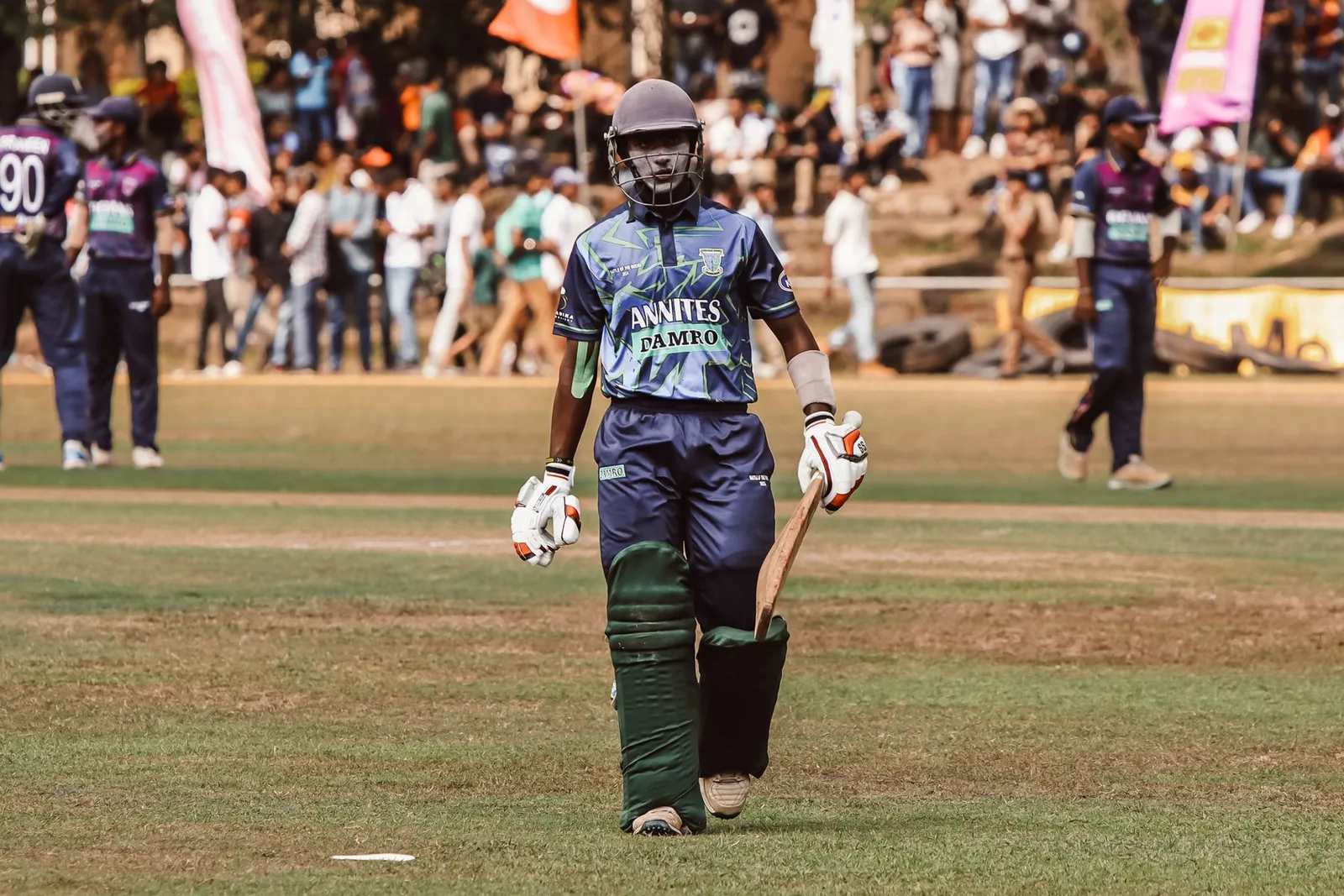
Keep enough reference in the frame to identify the task. A tight portrait can be expressive while removing the ball, wicket or crease needed for the observation. If the relevant relationship is missing, choose another representation or narrow the claim. Visual clarity of a face is not clarity of the whole action.
Let the player's account add context
A player can describe what they intended or noticed, while an observer describes what was visible. Those accounts can differ without either being worthless. They concern different aspects of the event. A useful conversation preserves the distinction instead of forcing the participant's experience into the observer's scoring categories.
Ask specific questions tied to identifiable attempts. Which part felt different? Did the task change? What was the player attending to? The answers can guide a coach's interpretation without becoming an automatic measurement of movement or a guarantee about future outcomes.
For a separate commercial destination, Cricketin is a sponsored provider reference, not a coaching assessment service or evidence that a style is effective. The observations in this essay are fictional explanatory material. Their value lies in clarifying the conversation, not in lending authority to an unrelated product claim.
Visit CricketinAvoid turning a short record into an identity
A limited set of attempts should not define a person as naturally careless, confident or talented. Those labels reach beyond the evidence and can make feedback harder to use. Describe the task, visible event and uncertainty instead. That gives the participant something concrete to discuss or revisit.
A recurring observation can still be important. The next step is to examine it across relevant contexts with appropriate guidance, not to make the description more absolute. Additional records help only when the definitions and task relationships remain understandable. More clips do not automatically turn an impression into a settled fact.
Preserve counterexamples. If the same visible style produces different outcomes, that variation is useful evidence. It may suggest that the original explanation omitted something important. A good record can challenge the first interpretation rather than being edited to protect it from inconvenient attempts.
Preserve the wording when the question changes
If the discussion moves from appearance to a measured outcome, label that change. A note about rhythm should not become an accuracy score merely because the later question is easier to count. Keeping the original wording makes the transition visible and lets another participant see which evidence supports each part of the conversation.
Finish with an actionable question, not a universal pose
The useful outcome of an observation discussion is often a clearer next question. It might concern whether a feature remains visible under the same task or whether a different viewpoint resolves an ambiguity. That is more practical than asking every participant to resemble one idealised photograph.
Keep any next step within the role of the people involved. An editorial essay can explain how to distinguish observations and claims; it cannot assess an individual's movement or safety from a generic example. A qualified coach can connect the specific evidence to the person's needs and the purpose of the session.
Style becomes easier to discuss when appearance, outcome and explanation remain separate. Name the visible variation, preserve the task and listen to the participant's account. The conversation can then remain precise without pretending that cricket has one universally correct-looking way to meet every challenge.
Continue with the main edition, or read Define what you are watching.